
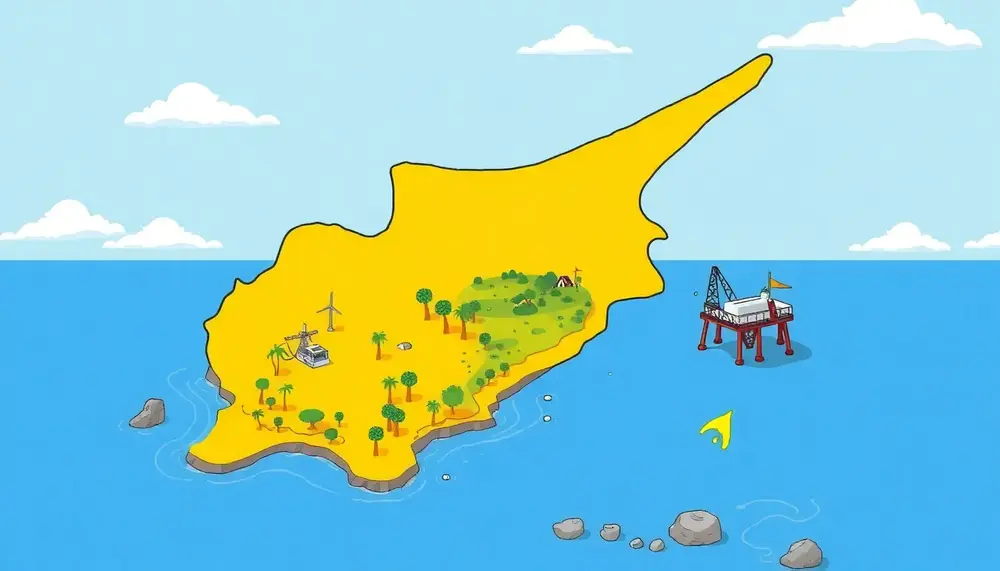
Aphrodite Natural Gas Field
The Aphrodite Natural Gas Field, located in the Eastern Mediterranean, represents a significant discovery within the exclusive economic zone (EEZ) of Cyprus. This field is particularly noteworthy as it was the first of its kind discovered in this region, marking a pivotal moment for the country's energy sector.
With an estimated reserve of 129 billion cubic meters (BCM) of natural gas, the Aphrodite field is poised to play a crucial role in meeting local energy needs as well as facilitating exports to neighboring countries. The strategic importance of this gas field extends beyond Cyprus, potentially transforming the energy landscape of the Eastern Mediterranean.
The development of the Aphrodite field is currently underway, with partnerships involving major players such as Chevron and Shell, each holding a 35% stake, alongside NewMed with a 30% interest. This collaboration not only enhances the technical and financial capabilities for extraction but also underscores the international interest in the region's energy resources.
As the project progresses, it is expected to have transformative impacts similar to those seen with Israel's Tamar and Leviathan fields. The implications of such developments are vast, influencing regional energy security, economic growth, and geopolitical dynamics.
In summary, the Aphrodite Natural Gas Field stands as a beacon of opportunity for Cyprus and its partners, promising to reshape the energy framework in the Mediterranean while fostering cooperation among nations in this strategically important region.
General Information
The Aphrodite Natural Gas Field stands out as a landmark discovery in the energy sector of Cyprus. As the first gas field located within the country’s exclusive economic zone (EEZ), it has garnered significant attention from both local and international stakeholders.
Originally discovered in 2011, the field has been a focal point for discussions about energy independence and economic growth for Cyprus. Its strategic positioning enables not only local consumption but also potential exports to neighboring countries, particularly those in the Eastern Mediterranean region.
Key aspects of the Aphrodite field include:
- Primary Discovery Type: This field marks a significant milestone as the first natural gas discovery within Cyprus's EEZ.
- Intended Use: The gas extracted from the Aphrodite field is planned for local utilization, as well as for export to enhance energy cooperation with neighboring countries.
This discovery aligns with broader regional trends, where gas fields are being explored and developed to boost energy security and economic collaboration among Mediterranean nations. The Aphrodite field is not just a resource; it represents a strategic asset that could redefine energy dynamics in the region.
Status of Development
The development of the Aphrodite Natural Gas Field is currently in progress, with various stages being executed to ensure its readiness for production. As of now, the project is considered upcoming, with significant milestones already achieved and more planned for the near future.
Key aspects of the development status include:
- Exploration and Appraisal: Initial exploration activities have successfully confirmed the existence of substantial gas reserves, which has led to further appraisal drilling to assess the field's potential more accurately.
- Partnership Agreements: The collaboration between Chevron, Shell, and NewMed has established a strong foundation for the project's advancement, pooling resources and expertise to streamline development efforts.
- Regulatory Approvals: Necessary regulatory approvals are being sought from the relevant authorities in Cyprus, which are crucial for moving forward with the extraction and production phases.
- Infrastructure Planning: Plans for the required infrastructure to support gas extraction and transportation are underway, including potential pipelines and processing facilities.
As discussions between stakeholders continue, the timeline for the project's next phases remains optimistic, aiming for operational status in the coming years. The anticipated agreement between Cyprus and Israel will further enhance cooperation and expedite the development process, highlighting the project's significance in the broader regional energy landscape.
Resource Estimates
The Aphrodite Natural Gas Field is estimated to hold approximately 129 billion cubic meters (BCM) of natural gas. This estimate has been derived from extensive geological surveys and exploratory drilling conducted in the area.
Breakdown of the gas reserves indicates:
- Location Distribution: About 90% of the total reserves are located within the Cypriot exclusive economic zone, while the remaining 10% extends into Israeli waters.
- Potential for Future Exploration: Given the initial findings, further exploration is anticipated to uncover additional reserves, potentially increasing the overall estimates and enhancing the field's viability.
The resource estimates play a crucial role in shaping the economic projections for both Cyprus and its partners. They provide a foundation for investment decisions and strategic planning for the extraction and distribution of the gas. Furthermore, these estimates are essential for evaluating the field's impact on regional energy security and market dynamics.
As the development progresses, updated assessments will likely refine these estimates, reflecting the evolving understanding of the field's capacity and the technological advancements in extraction methods.
Ownership Interests
The ownership structure of the Aphrodite Natural Gas Field is pivotal to its development and operation. The distribution of interests among the involved parties reflects both the investment and technical capabilities necessary for successful gas extraction and management.
The ownership interests are divided as follows:
- Chevron: 35% - A major player in the global energy sector, Chevron brings extensive experience in exploration and production, which is essential for maximizing the field's potential.
- Shell: 35% - Another leading multinational, Shell's involvement ensures advanced technology and operational efficiency in the development phase.
- NewMed: 30% - As the local partner, NewMed's stake highlights the importance of regional collaboration and local expertise in the project.
In addition to these primary stakeholders, the partnership dynamics facilitate a collaborative approach to addressing operational challenges, regulatory requirements, and market strategies. This joint effort is crucial in navigating the complexities of gas field development, particularly in a politically sensitive region.
Furthermore, the partnership structure may evolve as negotiations with Israel progress, potentially leading to adjustments in ownership stakes or new collaborations aimed at optimizing the development of the Aphrodite-Ishai gas reservoir.
Significance of the Field
The Aphrodite Natural Gas Field holds substantial significance for both Cyprus and the broader Eastern Mediterranean region. Its development is expected to usher in transformative changes, impacting energy dynamics, economic growth, and geopolitical relationships.
Key points highlighting the significance of the Aphrodite field include:
- Energy Independence: The field provides an opportunity for Cyprus to reduce its reliance on imported energy, potentially leading to greater energy security.
- Economic Growth: Development of the gas field is anticipated to create jobs, stimulate local economies, and attract foreign investment, contributing to overall economic development.
- Regional Cooperation: The collaboration between Cyprus and Israel in the development of the Aphrodite field may foster stronger ties and promote further cooperation on energy and other economic fronts.
- Impact on Energy Markets: The gas extracted from Aphrodite could be pivotal in supplying energy to Europe, particularly in light of ongoing shifts in energy dependencies and the push for cleaner energy sources.
- Geopolitical Implications: The field’s development may alter the balance of power in the Eastern Mediterranean, potentially leading to increased tensions with neighboring countries, particularly Turkey, over territorial claims and resource access.
In summary, the Aphrodite Natural Gas Field is not merely a resource; it represents a strategic asset with the potential to redefine Cyprus's role in the energy landscape of the Mediterranean while influencing regional politics and economic partnerships.
Key Details of the Aphrodite-Ishai Gas Field
The Aphrodite-Ishai Gas Field, a collaborative venture between Cyprus and Israel, encompasses several critical elements that shape its development and operational framework. Understanding these key details is essential for grasping the field's potential impact on the regional energy landscape.
- Geological Characteristics: The field is situated in a geological setting that has shown promising potential for natural gas reserves. Its formation is influenced by the complex tectonic activities in the Eastern Mediterranean, which have created ideal conditions for hydrocarbon accumulation.
- Infrastructure Requirements: Developing the Aphrodite-Ishai field will necessitate significant infrastructure investments, including offshore platforms, pipelines, and processing facilities. The design and construction of this infrastructure will be critical for efficient gas extraction and transportation.
- Environmental Considerations: As with any major energy project, environmental impact assessments are crucial. Stakeholders are expected to prioritize sustainability and minimize ecological disruption during both the development and operational phases.
- Market Dynamics: The gas produced from the Aphrodite-Ishai field is anticipated to play a significant role in regional markets. It is expected to enhance energy security for countries within the Eastern Mediterranean and potentially supply European markets, aligning with the EU's energy diversification goals.
- Future Exploration Potential: The initial discoveries may pave the way for further exploration in adjacent areas, which could lead to additional gas finds and expand the operational scope of the project.
Overall, the Aphrodite-Ishai Gas Field is not just a singular asset; it represents a crucial part of a larger energy strategy that could redefine the balance of power in the Eastern Mediterranean while fostering cooperation among neighboring nations.
Recent Developments
Recent progress regarding the Aphrodite Natural Gas Field has highlighted the ongoing efforts to finalize agreements and enhance collaboration between Cyprus and Israel. As negotiations advance, several key developments have emerged:
- Israeli Delegation Visit: A delegation from Israel is scheduled to visit Nicosia to engage in discussions aimed at finalizing the framework of an agreement related to the Aphrodite-Ishai Gas Field.
- Trilateral Conference Outcomes: During a recent trilateral conference in Jerusalem, Israeli Energy Minister Eli Cohen and Cypriot Minister Michael Damianos reported significant advancements in negotiations, indicating a strong commitment from both sides to move forward.
- Agreement Timeline: There is anticipation that the agreement could be signed as early as February, which would solidify the collaborative efforts and set the stage for the field's development.
- Focus on Resource Management: The upcoming agreement is expected to address the management of the portion of the gas reservoir that lies within Israeli waters, highlighting the need for a structured approach to joint development.
- Compensation Mechanism: Discussions include the development of a compensation mechanism to ensure equitable benefits from the gas extraction activities, fostering a cooperative environment between the involved parties.
These developments underscore the urgency and importance of establishing a clear framework for the Aphrodite-Ishai Gas Field, which is poised to have significant economic and geopolitical implications for both Cyprus and Israel, as well as the broader region.
Important Agreement Points
The ongoing negotiations between Cyprus and Israel concerning the Aphrodite-Ishai Gas Field are focused on several critical agreement points that aim to establish a solid foundation for collaborative development. These points are designed to maximize the potential benefits of the gas field while ensuring equitable management and operational efficiency.
- Joint Management Framework: The agreement will emphasize a structured framework for managing the gas reservoir, particularly the sections located in Israeli waters. This will facilitate coordinated operations and resource sharing.
- Compensation Mechanism: A compensation mechanism is being developed to address the economic interests of both parties. This will ensure that any profits derived from the extraction and sale of gas are fairly distributed, fostering trust and cooperation.
- Regulatory Compliance: Both parties will commit to adhering to international and local regulations governing natural gas exploration and production. This is crucial for maintaining environmental standards and securing necessary permits.
- Infrastructure Development: The agreement may include provisions for joint investment in infrastructure, such as pipelines and processing facilities, to facilitate efficient gas transportation and processing, enhancing overall project viability.
- Long-Term Strategic Planning: The parties will likely outline a long-term strategy that includes future exploration efforts and potential expansions of the gas field, ensuring sustained benefits and adaptability to market changes.
These agreement points are essential not only for the successful development of the Aphrodite-Ishai Gas Field but also for fostering a cooperative relationship between Cyprus and Israel, which could have broader implications for regional energy security and economic collaboration.
Gas Reserves Overview
The Aphrodite Natural Gas Field is estimated to contain around 129 billion cubic meters (BCM) of natural gas, making it a significant asset in the Eastern Mediterranean energy landscape. The distribution of these reserves is particularly noteworthy, with approximately 90% located in Cypriot waters and 10% extending into Israeli waters.
Key points regarding the gas reserves include:
- Extraction Potential: The substantial volume of gas reserves indicates strong potential for extraction, which could lead to increased production rates as technology and infrastructure improve.
- Market Influence: The gas reserves are expected to have a considerable impact on regional energy markets, particularly in terms of supply and pricing dynamics. The Aphrodite field could help meet the growing energy demands in nearby countries.
- Future Exploration: Ongoing geological assessments may reveal additional reserves in adjacent areas, potentially augmenting the already impressive estimates and enhancing the field's economic viability.
- Environmental Assessments: As part of the development process, comprehensive environmental assessments will be conducted to evaluate the impact of extraction on local ecosystems, ensuring sustainable practices are implemented.
In conclusion, the Aphrodite Natural Gas Field's reserves not only signify a crucial resource for Cyprus and Israel but also play a vital role in shaping the future of energy supply and economic collaboration in the Eastern Mediterranean region.
Strategic Goals
The strategic goals associated with the Aphrodite Natural Gas Field are essential for maximizing its potential and ensuring that the benefits are realized for both Cyprus and Israel. These objectives focus on various aspects of development, sustainability, and regional cooperation.
- Maximizing Gas Production: A primary goal is to establish efficient extraction methods that maximize the gas production rate, ensuring that the field can meet both local and export demands effectively.
- Infrastructure Development: Developing the necessary infrastructure, including pipelines and processing facilities, is crucial for transporting the gas to markets efficiently and economically.
- Regional Energy Security: Strengthening energy security in the Eastern Mediterranean is a vital goal. The Aphrodite field aims to provide a stable energy supply to neighboring countries, thus enhancing regional stability.
- Environmental Sustainability: Implementing environmentally friendly practices in the extraction and processing of gas is a key objective. This includes minimizing ecological disruption and adhering to international environmental standards.
- Strengthening Bilateral Relations: The development of the Aphrodite-Ishai Gas Field is expected to enhance diplomatic ties between Cyprus and Israel, fostering a collaborative approach to energy resources and other economic ventures.
- Market Diversification: Another strategic goal is to diversify energy markets, particularly by exporting liquefied natural gas (LNG) to global markets, thus reducing reliance on a single market and enhancing economic resilience.
These strategic goals not only guide the development of the Aphrodite Natural Gas Field but also play a critical role in shaping the energy landscape of the Eastern Mediterranean, facilitating cooperation, and promoting sustainable practices in the region.
Political Implications
The development of the Aphrodite Natural Gas Field carries significant political implications for Cyprus, Israel, and the broader Eastern Mediterranean region. As nations navigate complex geopolitical landscapes, the strategic value of this gas field may influence diplomatic relations and power dynamics.
- Tensions with Turkey: The ongoing development and exploration of the Aphrodite field are likely to heighten tensions with Turkey, which disputes Cyprus's maritime boundaries. Turkey's refusal to recognize these boundaries complicates the situation, potentially leading to confrontations over resource claims in the region.
- Regional Alliances: The collaboration between Cyprus and Israel in developing the Aphrodite-Ishai gas reserves may strengthen their bilateral relations and foster new alliances with other nations interested in energy security, such as Egypt and Greece. This could reshape regional partnerships and alliances.
- Energy Security for Europe: The Aphrodite field has the potential to play a crucial role in European energy security, particularly as Europe seeks to diversify its energy sources amid geopolitical uncertainties. This aligns with broader EU objectives and may lead to increased diplomatic engagement with Cyprus and Israel.
- Impact on Domestic Politics: The successful development of the gas field could bolster the political standing of the Cypriot government, providing a much-needed boost to the economy and reinforcing its position domestically. Conversely, any setbacks or conflicts could have the opposite effect, leading to political instability.
- International Involvement: The strategic importance of the Aphrodite field may attract interest from international powers, potentially leading to a more significant foreign presence in the region. This involvement could complicate local politics and influence the outcomes of negotiations related to the field.
In summary, the political implications of the Aphrodite Natural Gas Field extend far beyond energy production. They encompass a range of factors that could influence regional stability, international relations, and domestic political landscapes, making the situation highly dynamic and complex.
Conclusion
The Aphrodite Natural Gas Field represents a pivotal development in the Eastern Mediterranean energy sector, with substantial implications for Cyprus, Israel, and regional stability. As negotiations advance towards finalizing agreements, the potential for economic growth, energy security, and international collaboration is becoming increasingly evident.
In the coming months, the focus will be on:
- Finalizing Agreements: Successful completion of negotiations between Cyprus and Israel will be crucial for establishing a framework that supports joint development and maximizes resource utilization.
- Infrastructure Development: Investment in necessary infrastructure will play a significant role in facilitating efficient extraction and transportation of gas, ensuring that both local and export markets are adequately served.
- Monitoring Political Dynamics: The evolving geopolitical landscape will require careful navigation, particularly concerning relations with neighboring countries, to mitigate tensions and foster regional cooperation.
- Environmental Stewardship: Emphasizing sustainable practices will be essential in addressing environmental concerns associated with gas extraction, ensuring that development efforts align with global sustainability goals.
Ultimately, the Aphrodite Natural Gas Field not only holds the promise of transforming energy dynamics in the region but also serves as a catalyst for deeper cooperation among nations, paving the way for a more secure and prosperous Eastern Mediterranean.
FAQ on Cyprus Gas Discoveries
What is the Aphrodite Natural Gas Field?
The Aphrodite Natural Gas Field is a significant gas discovery located in the exclusive economic zone (EEZ) of Cyprus, estimated to hold around 129 billion cubic meters (BCM) of natural gas.
Who are the main stakeholders in the Aphrodite project?
The main stakeholders are Chevron, Shell, and NewMed, with Chevron and Shell each holding a 35% interest, and NewMed holding 30% of the field.
What are the intended uses of the gas from the Aphrodite field?
The gas extracted from the Aphrodite field is intended for local use in Cyprus as well as for export to neighboring countries, contributing to regional energy cooperation.
What are the potential geopolitical implications of the gas discoveries?
The development of the Aphrodite field may heighten tensions with Turkey, which does not recognize Cyprus's maritime boundaries, and it could alter the balance of power in the Eastern Mediterranean region.
What is the current status of the Aphrodite project's development?
The development of the Aphrodite Natural Gas Field is currently in progress, with plans for infrastructure and regulatory approvals being addressed to expedite production readiness.