
Table of Contents:
Historical Layers of Nicosia’s Walled Old Town
Nicosia’s old town is not one single historic scene. It is a compact record of many eras, shaped by trade, faith, defense, and political change. The circular Venetian walls still define the city’s form, while older traces and later buildings appear inside them.
The walls were built in the late 16th century, when Venetian planners redesigned the city’s defenses. Their eleven heart-shaped bastions surround the historic center. The three main gates—Famagusta, Kyrenia, and Paphos—once linked Nicosia with roads across Cyprus. Today, they help visitors understand how the walled city once controlled movement and commerce.
Look closer and the layers become easier to read. Medieval churches stand near Ottoman-era mosques. Neoclassical façades sit beside modest courtyard homes. In some streets, stone details, shaded balconies, and worn thresholds reveal how buildings changed as families, rulers, and customs changed.
Religious buildings show this history especially well. The former Cathedral of Saint Sophia, now Selimiye Mosque, reflects the conversion of a Gothic Christian cathedral into a Muslim place of worship after the Ottoman conquest in 1571. The structure is not merely an architectural curiosity; it shows how power and public life could be reshaped through one building.
The old town also carries the mark of British rule, which began in 1878. Administrative buildings, schools, and civic spaces from that period added another visual layer. Later, the division of Cyprus after 1974 gave the historic center a new meaning. Streets, homes, and businesses became part of a city divided by the Green Line.
For visitors, the most revealing approach is slow observation. Notice changes in paving, building height, religious symbols, and street use. A short walk can move from medieval stonework to Ottoman forms, British-era planning, and modern political boundaries. That is the real historical journey: not a neat timeline, but several pasts sharing the same narrow streets.
Living Along the Green Line
Living along the Green Line means sharing one historic center while moving through two different civic systems. The buffer zone, monitored by the United Nations, cuts across streets, buildings, and former neighborhoods. In places, sandbags, barriers, and empty houses make the division visible; elsewhere, daily activity continues only a few steps away.
The boundary is not a normal road or city limit. Some sections are closed to the public, and access can change. Abandoned buildings near the line may be unsafe because of neglect, unstable walls, or restricted military areas. Visitors should never cross barriers or photograph security positions without care.
For residents, the division affects simple routines. A nearby shop, workplace, school, or relative may be on the other side, yet reaching it can require a formal crossing. Property ownership is also complicated. Homes and businesses close to the buffer zone may carry unresolved claims, making repair, sale, or redevelopment difficult.
Ledra Street offers the clearest public crossing in the old town. Pedestrians pass through identity checks at the checkpoint, then enter a different administrative area. Requirements can change, so travelers should carry a valid passport or identity document and check current crossing rules before setting out.
The Green Line also shapes the atmosphere of the streets. Cafés, workshops, markets, and cultural spaces bring movement to some areas, while quiet lanes beside the buffer zone can feel paused in time. This contrast is part of Nicosia’s lived reality, not simply a backdrop for photographs.
The respectful way to explore is simple: follow marked routes, support local businesses on both sides, and treat the division as a present condition rather than an attraction. A careful walk reveals how ordinary life adapts to an extraordinary urban boundary.
Daily Life in the Greek Cypriot Old Town
In the Greek Cypriot part of the old town, daily life feels active, local, and pleasantly mixed. Residents use the center for errands, work, study, and social time, while visitors move through the same streets to see galleries, cafés, workshops, and historic landmarks.
The commercial rhythm is strongest around pedestrian streets such as Ledras and Onasagorou. Small food shops, bakeries, pharmacies, bookshops, and independent stores serve people who live nearby, not only tourists. In the morning, the streets are practical and fast-paced. Later, tables fill outside cafés, and the mood becomes slower.
Neighborhood life is especially visible away from the busiest shopping lanes. Older houses may stand beside renovated apartments, creative studios, and family businesses. Some residents choose the area for its walkability and character; others face familiar city problems, including limited parking, noise at night, rising rents, and the cost of restoring old buildings.
Food is a useful window into local habits. Traditional bakeries sell pastries and savory snacks for a quick breakfast, while tavernas and small restaurants often turn lunch into a longer social pause. Coffee culture is important too. A café can function as an office, meeting place, and informal neighborhood noticeboard, all in one.
Public services and transport shape the practical side of living here. Much of the center can be covered on foot, but buses connect the old town with outer districts. Summer heat changes routines: many people run errands early, rest during the hottest hours, and return outdoors in the evening. It is a simple adjustment, but it gives the city its daily pulse.
Visitors can understand this side of Nicosia best by spending money on ordinary services, not only on major sights. Buy a snack from a local bakery, browse a small shop, and leave room for an unplanned turn. The old town is not a museum after closing time; it remains a working neighborhood with a bit of grit and plenty of human warmth.
Key Highlights of a Journey Through Cyprus Old Towns
| Place or Feature | Historical Significance | What Visitors Can Observe | Practical Considerations |
|---|---|---|---|
| Venetian Walls of Nicosia | Built in the late 16th century with eleven heart-shaped bastions to protect the city. | Defensive architecture, historic gates, and the circular shape of the old town. | Wear comfortable shoes and follow marked routes near restricted areas. |
| Ledra Street | A historic commercial street and the main pedestrian crossing between the two sides of Nicosia. | Shops, cafés, identity checks, and visible changes in language, currency, and administration. | Carry a valid passport or identity document and check current crossing rules. |
| Selimiye Mosque | Formerly the Cathedral of Saint Sophia, converted into a mosque after the Ottoman conquest in 1571. | Gothic Christian architecture combined with its later Islamic religious function. | Respect religious customs, dress appropriately, and check access times. |
| Büyük Han | An important Ottoman-era inn that reflects the commercial history of the northern old town. | Arcaded courtyards, craft shops, cafés, and traditional urban design. | Allow time to explore the courtyard and support local independent businesses. |
| Arasta Street | A traditional market area connected with everyday commerce and local crafts. | Small shops, food outlets, repair businesses, and a lived-in neighborhood atmosphere. | Opening hours may vary; smaller businesses may prefer cash payments. |
| Green Line Buffer Zone | A United Nations-monitored division that has shaped Nicosia since the political separation of Cyprus. | Barriers, abandoned buildings, checkpoints, and streets affected by restricted access. | Never cross barriers or photograph security positions without permission. |
| Greek Cypriot Old Town | A living urban district combining historic buildings with modern businesses and public services. | Pedestrian shopping streets, bakeries, cafés, galleries, and renovated homes. | Visit early or in the evening during hot weather and explore beyond the busiest lanes. |
| Turkish Cypriot Old Town | A historic area shaped by Ottoman, British, and contemporary Turkish Cypriot influences. | Markets, coffeehouses, traditional restaurants, craft shops, and older residential streets. | Check currency and payment methods before ordering or shopping. |
| Historic Courtyard Homes | Traditional residences designed for privacy, shade, and ventilation. | Thick masonry, shaded courtyards, timber ceilings, tiled floors, and adapted façades. | Do not enter private courtyards or residential buildings without permission. |
| British-Era Buildings | Reflect the period of British rule that began in Cyprus in 1878. | Administrative buildings, schools, civic spaces, and neoclassical details. | Combine these sites with nearby medieval and Ottoman landmarks for historical context. |
Daily Life in the Turkish Cypriot Old Town
Daily life in the Turkish Cypriot old town has its own pace and social texture. Around the central market and narrow lanes near Arasta Street, residents shop for household goods, fresh food, clothes, and small everyday items. The area feels practical first, though its covered passages and old façades make even a short errand visually memorable.
Morning activity often gathers around bakeries, coffeehouses, and neighborhood shops. Later, restaurants and meze tables bring a more leisurely rhythm. Meals are rarely treated as something to rush through, especially when friends or relatives meet. Local conversation, strong coffee, and small plates create a social routine that visitors may notice before they understand it.
The northern side also has a strong craft and repair culture. Tailors, leather workers, antique dealers, and small family-run stores occupy spaces that would be too modest for large chains. Their presence gives the streets a useful, lived-in quality. Not every doorway is polished; that is part of the charm, really.
Housing conditions vary sharply. Some residents live in restored historic buildings, while others occupy aging homes with narrow rooms, limited daylight, or costly maintenance needs. Young adults, students, and newcomers may rent rooms in the center because it is close to shops and public life. Older residents often have deeper family ties to particular streets.
Turkish is the main language of local life, but English is common in visitor-facing businesses. The Turkish lira is widely used, and prices can shift quickly because of currency changes. Travelers should confirm payment methods before ordering, especially in smaller establishments.
For a clearer sense of ordinary life, step beyond the most photographed landmarks. Compare a market lane in the morning with the same street after sunset, when diners, families, and café regulars take over. The result is less a staged historic quarter than a working neighborhood—busy, imperfect, and full of small human encounters.
Crossing Between the Two Sides
Crossing Nicosia’s divided center is a practical process, not a symbolic shortcut. The main pedestrian crossing is at Ledra Street, in the heart of the old town. A second central option, Ledra Palace, is mainly used by pedestrians and cyclists and lies farther west. Crossing points can open or close under changing conditions, so check official updates before you go.
Bring a valid passport or identity card. Officials may check documents when you leave one side and enter the other. Requirements depend on nationality and current rules; visitors should confirm details with the relevant authorities, especially if they are not citizens of Cyprus, an EU country, or a country covered by local entry arrangements.
The crossing itself is usually brief, but the wider journey may not be. Lines form during busy periods, and public holidays can change opening hours. Keep your document easy to reach, avoid rushing, and allow extra time if you have a tour, bus, or restaurant booking.
- Use an official crossing point.
- Carry the same travel document used for entry to Cyprus.
- Do not cross with restricted goods or assume that insurance covers every movement across the island.
- Check rules for vehicles, pets, medication, and goods before traveling.
- Follow instructions from officials and respect photography limits.
Pedestrians usually find the central crossings easier than drivers. Vehicle crossings involve additional checks and may require appropriate insurance or other documents. Rental-car policies can also limit travel across the buffer zone, so read the contract rather than guessing.
The change after crossing can be subtle. Shop signs, currency, road habits, architecture, and language shift within minutes. That contrast is useful, but avoid treating either side as a quick comparison exercise. Spend enough time to observe how people use the streets, then cross back with the same patience.
Historic Streets, Homes, and Local Services
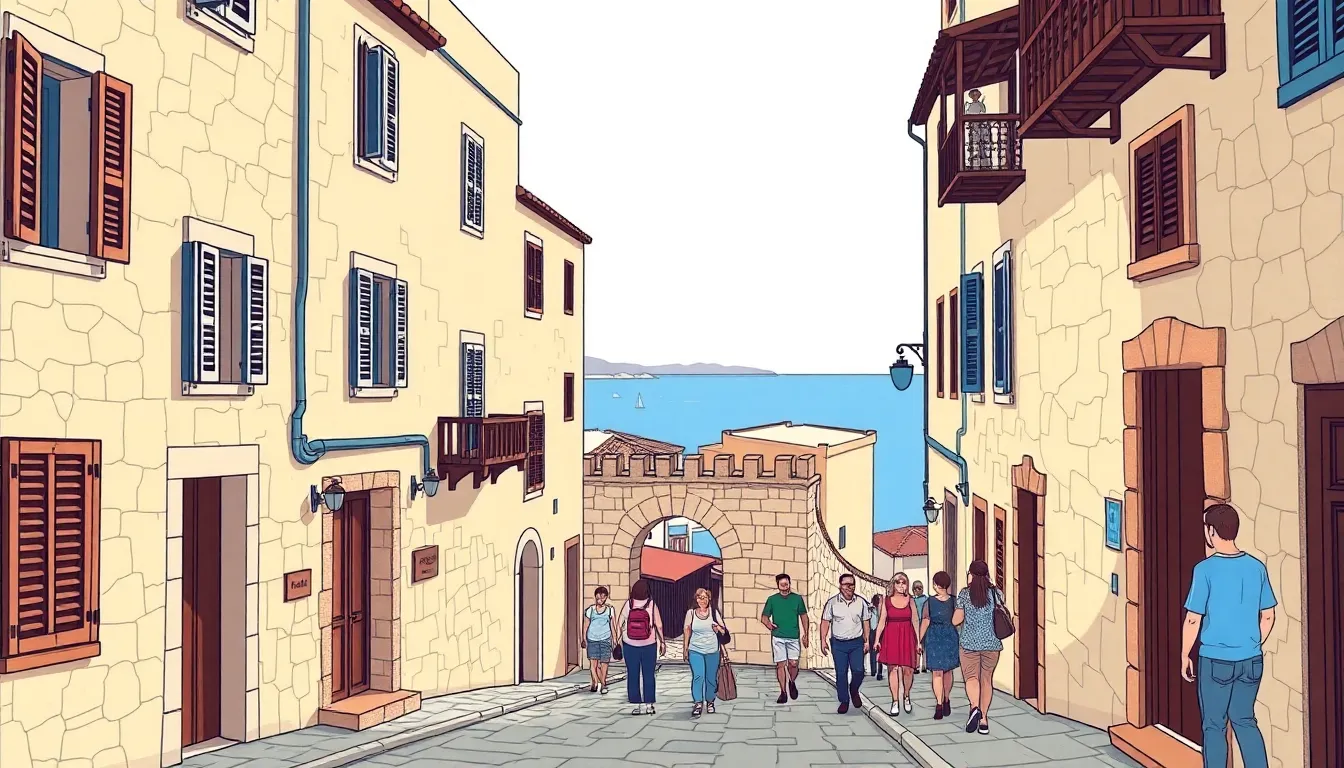
Historic streets in Nicosia’s old town are more than routes between landmarks. They form small living systems, where entrances, courtyards, workshops, places of worship, and public services sit close together. The finest details are often at eye level: carved doorframes, iron shutters, painted numbers, and doorbells added long after the original walls.
Traditional homes often follow a narrow street plan. A modest entrance may open into a shaded courtyard, with rooms arranged around it for privacy and ventilation. Thick masonry can soften outdoor heat, while timber ceilings and tiled floors reveal older building methods. Yet historic character brings practical costs. Damp, poor insulation, plumbing faults, and structural repairs can be difficult and expensive to solve.
Adaptive reuse has changed many streets. Former homes now serve as studios, guesthouses, cafés, cultural rooms, or offices. This can protect neglected buildings, but it may also reduce long-term housing space. The balance is delicate: a lively center needs visitors and investment, but it also needs permanent residents.
Local services are unevenly distributed. The busiest lanes have frequent shops and food outlets, while quieter residential pockets may require a longer walk for groceries, banking, medical care, or public transport. Opening hours can be informal, particularly in small family businesses. A quick phone call or a visit earlier in the day often saves time.
- Look for working details, such as repair shops, laundries, clinics, and neighborhood groceries.
- Keep entrances and narrow doorways clear when taking photographs.
- Do not enter courtyards or residential buildings without permission.
- Choose repair work and cultural venues that contribute to the upkeep of older properties.
Historic preservation works best when it supports ordinary life. Sensitive repairs, useful services, and occupied homes keep the old town from becoming a hollow display. Walk slowly, notice how buildings function, and remember that behind many façades is someone’s home, workplace, or daily responsibility.
How Division Shapes Work, Travel, and Community
Division affects more than where people cross. It shapes business hours, hiring choices, supply routes, and the way residents plan a normal week. A shop may serve customers from nearby streets, yet depend on a different banking system, tax structure, language environment, or delivery network from a business only a short walk away.
Work opportunities are often tied to the side of the city where a person has legal access, family connections, and reliable transport. This can narrow the practical job market. A position that looks close on a map may be difficult to reach each morning, especially when it involves a border check, a long detour, or uncertain public transport.
Small firms feel this separation sharply. Suppliers, payment methods, regulations, and consumer habits do not always align. Some businesses respond by serving a local customer base, while others build relationships across the divide through tourism, cultural projects, or specialist trade. The result is an economy that is connected in places, but never friction-free.
Community ties adapt in quieter ways. Families with roots on both sides may arrange meetings around crossing hours. Friends may choose neutral cafés or public events. Sports clubs, schools, churches, mosques, charities, and cultural groups can create contact, but participation depends on access, trust, and personal history. A shared activity helps, though it does not erase old grievances.
Division also changes how residents imagine distance. A nearby street can feel farther away than a suburb outside the center. Maps show meters; daily life measures waiting time, paperwork, transport, and emotional effort. That mismatch is one of the defining experiences of a divided capital.
- Compare travel time, not only map distance, when planning work or meetings.
- Allow for different opening hours and payment arrangements.
- Use local events and community spaces to learn how connections operate.
- Listen carefully when residents describe the past; experiences are personal and may differ greatly.
For travelers, the most useful insight is that separation is neither total nor simple. Cooperation exists beside inconvenience, and routine contact exists beside caution. The old town works because people keep adapting—sometimes formally, sometimes through small acts of patience and practical know-how.
A Practical Walking Route Through Both Sides
Begin at Eleftheria Square, then follow Ledras Street toward the old town. This opening stretch helps you settle into the city before the route becomes more political and architectural. Pause at the small lanes branching from the main pedestrian way; they often reveal courtyards, independent workshops, and quieter views of the historic center.
Continue north to the Ledra Street crossing. Keep your travel document accessible and allow time for checks. After entering the northern side, walk through Arasta Street toward Büyük Han. Its arcaded courtyard is a useful place to pause, drink water, and study the relationship between trade, hospitality, and urban design.
From Büyük Han, continue toward Selimiye Mosque and the surrounding streets. Check opening rules before entering religious buildings, dress with care, and avoid visiting during prayers unless access is clearly permitted. Nearby lanes offer a less hurried view of local shops and older residential façades.
Next, head toward Kyrenia Gate if time allows. The route becomes less compact here, so use a map and watch for uneven paving. The gate provides a different perspective on how the walled center once connected with roads beyond the city.
- Short route: Eleftheria Square, Ledras Street, the crossing, Büyük Han, and Selimiye Mosque.
- Long route: Add Arasta Street, Kyrenia Gate, and a slow return through smaller market lanes.
- Best pace: Allow at least three hours for the short route and half a day for the longer walk.
- Useful items: Water, sun protection, comfortable shoes, and a charged phone.
Return through the same crossing or use another official point if it suits your route and current access rules. Keep the final section flexible. Shops may close, heat can slow the walk, and a quiet side street may deserve more time than a landmark on the checklist.
Example: A Day Exploring Nicosia’s Divided Old Town
Start early, when the streets are cooler and residents are beginning their daily routines. Have breakfast at a local bakery, then spend a little time watching the old town wake up. This is a better moment for observing ordinary life than the busy middle of the day.
Late morning is a good time to explore the first side of the historic center at an unhurried pace. Notice how people use public space: some stop for coffee, others open shops, deliver goods, or meet friends. Choose one small museum, gallery, or historic interior rather than trying to collect every attraction. A focused visit leaves room for details.
Before crossing, check the current opening conditions and keep your identification ready. Do not plan the day so tightly that a queue or delay becomes a problem. Once across, pause for lunch instead of making an immediate comparison. Different food traditions, prices, languages, and service styles become clearer when experienced on their own terms.
Spend the afternoon in a market area and buy one modest item from a local seller. Ask permission before photographing people or private property. If conversation begins, listen more than you speak; residents may have family histories that do not fit a simple political story.
As the heat eases, choose a shaded café or public square for a break. Write down what changed between the two walks: not just architecture, but sounds, shop displays, traffic patterns, and how long people linger outdoors. These small observations make the city’s separation more understandable than a quick checklist of monuments.
- Morning: bakery breakfast, neighborhood observation, and one cultural stop.
- Midday: a calm crossing followed by lunch on the other side.
- Afternoon: market streets, local conversation, and independent shops.
- Evening: a final drink, personal notes, and a relaxed return before closing times.
End the day without forcing a conclusion. Nicosia does not present two perfectly separate worlds, nor one seamless city. Its character lies in the overlap: ordinary routines continue within an unusual political landscape, and the meaning of a street can change after only a few minutes on foot.
Fazit: Explore Slowly and Respect Both Communities
Nicosia’s old town rewards visitors who leave space for uncertainty. A single afternoon cannot explain every memory, attachment, or practical challenge linked to the divided center. Instead of searching for a simple contrast, notice how residents maintain routines, protect family histories, and make room for change.
Respect begins with restraint. The practical guidance applies throughout the visit: do not photograph people, homes, checkpoints, or security features without a clear reason and, where needed, permission. Avoid turning abandoned buildings or the buffer zone into dramatic scenery. Their condition may reflect loss, displacement, or unresolved ownership, not harmless decay. Follow current official guidance at crossings and protected sites, carry the required travel document, and respect local access rules.
Spend money thoughtfully and speak with humility. Independent businesses, museums, community projects, and local cultural groups can offer more grounded insight than a fast tour. Learn a few basic words used in each community, keep an open mind when accounts of the past differ, and listen without demanding a personal story or pushing for a political verdict.
- Support places that preserve local culture without treating it as a performance.
- Follow current official guidance at crossings and protected sites.
- Keep an open mind when accounts of the past differ.
- Support local businesses and community projects on both sides.
The strongest memory of Nicosia may not be a landmark. It may be the sound of a shop opening, a shared table, or a quiet street where several histories coexist. Walk with patience, spend with care, and leave the old town with its dignity intact.
Frequently Asked Questions About Exploring Cyprus Old Town
What are the main historical highlights of Nicosia’s Old Town?
Key highlights include the Venetian Walls, the historic city gates, Selimiye Mosque—formerly the Cathedral of Saint Sophia—Büyük Han, Arasta Street, British-era buildings, and the Green Line buffer zone.
Can visitors cross between the two sides of Nicosia’s Old Town?
Yes. Visitors can cross at official checkpoints, including Ledra Street and Ledra Palace, subject to current access conditions. A valid passport or identity document is generally required, and travelers should check the latest crossing rules before setting out.
What is daily life like in the Greek Cypriot part of the Old Town?
The Greek Cypriot side is an active residential and commercial district with bakeries, cafés, pharmacies, independent shops, galleries, workshops, and public services. Pedestrian streets such as Ledras and Onasagorou are particularly lively.
What can visitors experience in the Turkish Cypriot part of the Old Town?
Visitors can explore market streets, coffeehouses, traditional restaurants, craft shops, historic residences, Büyük Han, and Selimiye Mosque. The area combines everyday neighborhood life with Ottoman, British, and contemporary Turkish Cypriot influences.
How should visitors behave near the Green Line and historic neighborhoods?
Visitors should follow marked routes, obey checkpoint instructions, avoid crossing barriers, and respect photography restrictions. They should also avoid entering private courtyards or abandoned buildings and treat the buffer zone as a sensitive living environment rather than a tourist attraction.