
Table of Contents:
Cyprus Public Holidays Overview
The Cyprus public holidays are an essential aspect of the island's culture, reflecting its rich history and diverse traditions. Understanding these holidays is crucial for both residents and visitors, as they can impact daily life and social activities.
In Cyprus, public holidays are designated days when the majority of businesses, schools, and government offices are closed. These holidays provide an opportunity for people to celebrate significant historical events, religious observances, and cultural traditions. The Holidays Today and Upcoming Holidays in Cyprus include a mix of national, religious, and seasonal observances.
- National Holidays: These include important dates like Independence Day on October 1st and the Cyprus National Holiday on April 1st, marking the start of the revolt against British rule.
- Religious Holidays: Many public holidays in Cyprus are linked to the Orthodox Christian calendar, such as Easter and Christmas, which are celebrated with various customs and festivities.
- Seasonal Observances: Events like the summer and winter solstices, as well as equinoxes, are recognized and often celebrated in local traditions.
As of today, there are no holidays in Cyprus. However, residents and visitors can look forward to several upcoming holidays. Notable dates include:
- June 1, 2026: Orthodox Pentecost Monday
- October 1, 2026: Cyprus Independence Day
- April 1, 2027: Cyprus National Holiday
These holidays not only serve as a time for celebration but also as a reminder of the struggles and achievements that have shaped Cyprus's identity. Observing these holidays allows both locals and tourists to engage with the cultural heritage of the island.
In summary, the Cyprus public holidays offer a glimpse into the island's history, religious practices, and cultural values. Knowing when these holidays occur can greatly enhance your experience whether you are living in Cyprus or just visiting.
Holidays Today and Upcoming Holidays in Cyprus
Understanding the Holidays Today and Upcoming Holidays in Cyprus is essential for anyone living in or visiting the island. As of today, there are no public holidays in Cyprus, which means that businesses and schools are operating as usual.
Looking ahead, several significant holidays are approaching. From June 2026 to May 2027, Cyprus will celebrate a variety of public holidays, each with its unique cultural and historical significance. Here’s a brief overview of the upcoming holidays:
- June 1, 2026 (Monday): Orthodox Pentecost Monday - A national holiday that celebrates the descent of the Holy Spirit.
- June 21, 2026 (Sunday): Summer Solstice - A seasonal observance marking the longest day of the year.
- August 15, 2026 (Saturday): Assumption of Mary - A national holiday honoring the Virgin Mary's ascent to heaven.
- September 23, 2026 (Wednesday): Autumn Equinox - A seasonal marker of equal day and night.
- October 1, 2026 (Thursday): Cyprus Independence Day - Celebrating the island's independence from British rule.
- October 25, 2026 (Sunday): End of Daylight Saving Time - Clocks will be set back one hour.
- October 28, 2026 (Wednesday): Ochi Day - A national holiday commemorating Greece's refusal to surrender to Axis forces in 1940.
- December 21, 2026 (Monday): Winter Solstice - A seasonal observance marking the shortest day of the year.
- December 24, 2026 (Thursday): Christmas Eve - A day of observation leading up to Christmas.
- December 25, 2026 (Friday): Christmas Day - A national holiday celebrating the birth of Jesus Christ.
- December 26, 2026 (Saturday): Boxing Day - A national holiday following Christmas Day.
- December 31, 2026 (Thursday): New Year's Eve - A day of observation to welcome the new year.
- January 1, 2027 (Friday): New Year's Day - A national holiday marking the first day of the year.
- January 6, 2027 (Wednesday): Epiphany - A national holiday celebrating the revelation of Christ to the Gentiles.
- March 15, 2027 (Monday): Green Monday - A national holiday marking the beginning of Lent.
- March 20, 2027 (Saturday): Spring Equinox - A seasonal observance signaling the arrival of spring.
- March 25, 2027 (Thursday): Greek Independence Day - Celebrating Greece's independence from Ottoman rule.
- March 28, 2027 (Sunday): Start of Daylight Saving Time - Clocks will move forward one hour.
- April 1, 2027 (Thursday): Cyprus National Holiday - A national holiday commemorating the start of the revolt against British rule.
- April 30, 2027 (Friday): Good Friday (Orthodox) - A national holiday observed by the Orthodox community.
- May 1, 2027 (Saturday): Labor Day - A national holiday celebrating workers' contributions.
- May 1, 2027 (Saturday): Holy Saturday (Orthodox) - A day of observation in the Orthodox calendar.
- May 2, 2027 (Sunday): Easter Sunday (Orthodox) - A day of observation marking the resurrection of Christ.
- May 3, 2027 (Monday): Easter Monday (Orthodox) - A national holiday following Easter Sunday.
- May 4, 2027 (Tuesday): Easter Tuesday (Orthodox) - A day of observation in the Orthodox calendar.
These Cyprus public holidays not only provide opportunities for celebration but also serve as a reflection of the island's cultural heritage. Understanding these dates can help individuals better navigate social customs and participate in community events.
Overview of Cyprus National Holidays: Celebrations and Key Traditions
| Holiday | Date | Significance | Traditions |
|---|---|---|---|
| Orthodox Pentecost Monday | June 1, 2026 | Celebration of the descent of the Holy Spirit | Special church services and community gatherings |
| Cyprus Independence Day | October 1, 2026 | Commemorates independence from British rule | Parades, speeches, and cultural events |
| Cyprus National Holiday | April 1, 2027 | Marks the start of the revolt against British rule | Public ceremonies, parades, and cultural performances |
| Christmas Day | December 25, 2026 | Celebration of the birth of Jesus Christ | Church services and festive meals with family |
| New Year's Day | January 1, 2027 | Welcomes the start of the new year | Family gatherings and special meals |
Significance of the Cyprus National Holiday
The significance of the Cyprus National Holiday, celebrated annually on April 1st, extends beyond mere commemoration. It serves as a powerful reminder of the island's struggle for independence and the resilience of its people. This day marks the beginning of the uprising against British colonial rule in 1955, a pivotal moment in Cyprus's modern history.
On this day, citizens reflect on the sacrifices made by previous generations in their quest for freedom. The holiday is not just a time for celebration; it is an opportunity for reflection and national pride. Here are a few key aspects that highlight its importance:
- Historical Context: The Cyprus National Holiday honors the commencement of a significant revolt, which laid the groundwork for Cyprus's eventual independence in 1960.
- Symbol of Unity: The day fosters a sense of unity among the people of Cyprus, transcending regional and political divides. It serves as a collective expression of national identity.
- Cultural Celebrations: Various events, such as parades, speeches, and cultural performances, take place throughout the country, celebrating Cypriot heritage and the spirit of freedom.
- Educational Significance: The holiday offers an opportunity for educational initiatives to teach younger generations about their history and the importance of independence and self-determination.
In essence, the Cyprus National Holiday is a cornerstone of Cyprus public holidays, representing the enduring spirit of the Cypriot people. It is a day that not only honors the past but also inspires hope for a united future.
History of the Cyprus National Holiday
The history of the Cyprus National Holiday is deeply rooted in the island's struggle for independence and national identity. This holiday, celebrated on April 1st each year, commemorates the beginning of the armed struggle against British colonial rule in 1955. The uprising marked a pivotal moment in the quest for sovereignty, which ultimately led to Cyprus gaining its independence in 1960.
Before the revolt, Cyprus had a long and complex history of various rulers, including the Ottomans and the British. The British took control of the island in 1878 and formally annexed it in 1914, which intensified the desire for self-determination among the Greek Cypriots. The movement for independence gained momentum in the 1950s, fueled by a combination of political activism and widespread dissatisfaction with colonial governance.
As the conflict unfolded, various groups emerged, including EOKA (National Organization of Cypriot Fighters), which played a crucial role in the resistance against British rule. The Cyprus National Holiday serves as a reminder of the sacrifices made by those who fought for freedom, highlighting the importance of unity and resilience in the face of adversity.
Celebrations on this day often include:
- Public ceremonies: These events often feature speeches by political leaders reflecting on the significance of the struggle for independence.
- Parades: Many cities host parades that display national pride, featuring flags and traditional music.
- Cultural events: Local communities engage in cultural performances that celebrate Cypriot heritage and the spirit of freedom.
The legacy of the Cyprus National Holiday is not only about remembering past struggles but also about fostering a sense of national identity among current and future generations. It plays a vital role in educating young Cypriots about their history and the values of freedom and democracy.
Key Dates and Events in Cyprus History
The Key Dates and Events in Cyprus History play a crucial role in shaping the identity and culture of the island. Understanding these pivotal moments is essential for grasping the significance of Cyprus public holidays and their connection to the national narrative.
Throughout its long history, Cyprus has witnessed a variety of critical events that have influenced its path to independence and its current status. Here are some significant dates that stand out:
- 10,000 BC: Evidence of early human settlement on the island, marking the beginning of a rich historical narrative.
- 3000 BC: The rise of the Bronze Age civilization, with advancements in trade and culture.
- 1191 AD: Richard the Lionheart conquers Cyprus, marking the start of foreign rule.
- 1571 AD: The Ottoman Empire takes control of Cyprus, which remains under Ottoman rule for over three centuries.
- 1878 AD: Cyprus is administered by Britain, leading to significant political changes and increased British influence.
- 1955 AD: The initiation of the EOKA campaign against British rule, which ultimately leads to the uprising commemorated on the Cyprus National Holiday.
- 1960 AD: Cyprus gains independence, establishing a complex political system that reflects the island's diverse communities.
- 1974 AD: A coup d'état leads to a Turkish invasion, resulting in the division of the island that persists today.
These events not only highlight the turbulent history of Cyprus but also underpin the importance of national holidays, such as the Cyprus National Holiday on April 1st. This day serves as a reminder of the ongoing journey towards unity and self-determination, celebrated through various Holidays Today and Upcoming Holidays in Cyprus.
By recognizing these key dates, both residents and visitors can gain a deeper appreciation for the cultural significance of the public holidays and the historical context that shaped them.
Cultural Traditions Associated with Cyprus Public Holidays
The cultural traditions associated with Cyprus public holidays are a vibrant reflection of the island's rich heritage and diverse influences. These traditions are often deeply rooted in both religious beliefs and historical events, creating a unique tapestry of celebrations that bring communities together.
During public holidays, various customs and practices are observed, highlighting the significance of family, faith, and national pride. Here are some notable cultural traditions:
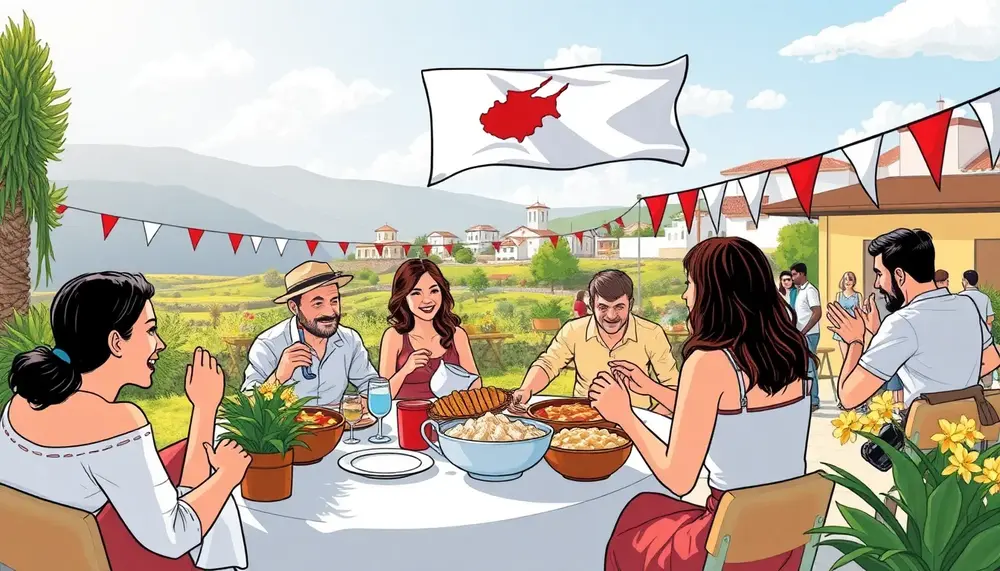
- Festive Foods: Special dishes are prepared for different holidays, such as kolokotes (pumpkin pies) during the Feast of the Assumption and traditional lamb dishes during Easter. These culinary delights are often shared among families and communities, reinforcing social bonds.
- Religious Observances: Many holidays, particularly those like Christmas and Easter, are marked by church services. People attend Mass, participate in rituals, and engage in community prayers, underscoring the spiritual significance of these days.
- Traditional Music and Dance: Festivals often feature local music and dance performances. Traditional dances such as the sirtaki and zeibekiko are popular during celebrations, showcasing the island's lively culture and encouraging communal participation.
- Parades and Processions: National holidays, such as Cyprus Independence Day, often include parades that display national flags and involve marching bands. These events foster a sense of unity and pride among citizens.
- Community Gatherings: Public holidays serve as opportunities for community gatherings, where people come together to celebrate, share stories, and strengthen their communal ties. Events can include fairs, concerts, and cultural exhibitions.
These cultural traditions not only enrich the experience of Holidays Today and Upcoming Holidays in Cyprus but also play a vital role in preserving the island's identity. They encourage younger generations to connect with their heritage while allowing visitors to engage with the local culture in meaningful ways.
In summary, the cultural traditions associated with Cyprus public holidays are a vital aspect of the island's social fabric, celebrating the history, values, and community spirit that define Cypriot life.
Language and Communication During Cyprus Public Holidays
The language and communication during Cyprus public holidays play a significant role in how celebrations are conducted and experienced. Given the island's rich cultural tapestry, understanding the linguistic landscape is essential for both residents and visitors, especially during key occasions.
Cyprus is characterized by its multilingual environment, with Greek and Turkish as the official languages. Additionally, English is widely spoken due to the island's historical ties to Britain and its popularity as a tourist destination. Here’s how language influences communication during Holidays Today and Upcoming Holidays in Cyprus:
- Public Announcements: During public holidays, announcements regarding events, closures, and celebrations are typically made in Greek and Turkish, with English translations to accommodate tourists and expatriates.
- Cultural Events: Many traditional festivities include performances, speeches, and activities that highlight the local dialects and expressions. This is an excellent opportunity for visitors to engage with the culture and learn more about the island's heritage.
- Social Media and Communication: Social media platforms play a vital role in disseminating information about public holidays. Posts are often made in multiple languages, ensuring that the messages reach a broad audience, including locals and international visitors.
- Community Engagement: During holidays, community gatherings provide a platform for people to communicate and share experiences. Participants often switch between languages, reflecting the island's diverse linguistic background.
Understanding these linguistic dynamics can enhance interactions during public holidays, making the experience more enriching for everyone involved. The ability to communicate effectively in the local languages, even at a basic level, can lead to deeper connections and a more immersive experience during Cyprus public holidays.
In conclusion, the interplay of language and communication during public holidays in Cyprus not only facilitates celebration but also fosters a sense of community and shared identity among the island's diverse population.
Impact of Cyprus Public Holidays on Daily Life
The impact of Cyprus public holidays on daily life is significant, influencing everything from business operations to social interactions. These holidays not only provide a break from routine but also foster a sense of community and national pride among the residents.
During public holidays, most businesses, government offices, and schools close, allowing citizens to participate in various celebrations and activities. This temporary pause in daily activities creates opportunities for family gatherings and community events, strengthening social ties. Here are some notable impacts:
- Business Operations: Many businesses, especially local shops and services, close on national holidays. However, tourist areas often remain open, catering to visitors. Understanding this can help both locals and tourists plan their activities accordingly.
- Travel and Transportation: Public transport schedules may change during holidays, with increased demand for services as people travel to celebrate with family or attend events. This can lead to crowded conditions, particularly around major holiday periods.
- Community Engagement: Public holidays encourage participation in cultural and religious activities. Events like parades, festivals, and local fairs bring people together, enhancing community spirit and providing a sense of belonging.
- Impact on Education: Schools typically observe public holidays, which can affect academic schedules. Students often look forward to these breaks, which can be a time for relaxation and cultural exploration.
- Tourism: For visitors, understanding Holidays Today and Upcoming Holidays in Cyprus is essential. Engaging with local customs during these times offers a richer travel experience, as many cultural traditions and events take place during public holidays.
In summary, the impact of Cyprus public holidays on daily life extends beyond mere time off work; it shapes the social fabric of the community, encourages cultural participation, and influences the economy through tourism and local business operations. Recognizing and embracing these holidays can lead to a more connected and vibrant community experience.
Recommendations for Tourists During Cyprus Public Holidays
When visiting during Cyprus public holidays, tourists should be mindful of various factors that can enhance their experience. Understanding the local customs and observing the holiday practices will allow visitors to immerse themselves more fully in Cypriot culture. Here are some key recommendations for tourists during these festive periods:
- Plan Ahead: Since many businesses and public services close during holidays, it is crucial to check the Holidays Today and Upcoming Holidays in Cyprus calendar. This will help you avoid any inconveniences, such as closed attractions or limited transportation options.
- Participate in Local Celebrations: Engage with the community by attending parades, festivals, and cultural events. These gatherings provide a unique opportunity to experience traditional Cypriot customs, music, and food.
- Respect Local Traditions: Be aware of the significance of the holidays. For instance, during religious holidays like Easter, visitors should dress modestly when attending church services and show respect for local customs.
- Explore Culinary Delights: Each holiday features special dishes that are a part of Cypriot tradition. Trying local foods during public holidays can be an enjoyable way to connect with the culture. Don't miss out on traditional sweets and festive meals!
- Interact with Locals: Use this time to engage with local residents. Many will be happy to share stories about their traditions and the significance of the holidays. Learning a few basic phrases in Greek or Turkish can also go a long way in making connections.
- Consider Alternative Activities: If you find that certain attractions are closed, consider exploring natural sites, such as beaches or hiking trails, which are often less affected by holiday schedules.
By following these recommendations, tourists can not only enjoy their time on the island but also gain a deeper understanding of the rich cultural heritage that defines Cyprus public holidays. Engaging with the local traditions will create memorable experiences that extend beyond the typical tourist attractions.
Conclusion on Cyprus National Holidays and Their Importance
In conclusion, the significance of Cyprus public holidays extends far beyond mere days off work; they represent a vital component of the island's cultural identity and historical narrative. The observance of these holidays, including the Holidays Today and Upcoming Holidays in Cyprus, fosters a sense of community, unity, and pride among the Cypriot people.
Each holiday serves as a reminder of the struggles and triumphs that have shaped the nation, allowing citizens to reflect on their shared heritage. Events such as the Cyprus National Holiday on April 1st not only commemorate past events but also inspire future generations to appreciate their history and cultural roots.
Moreover, public holidays provide an opportunity for tourists to engage with the local culture in meaningful ways. Understanding the importance of these holidays can enhance the visitor experience, offering a glimpse into the traditions and values of Cypriot society.
As Cyprus continues to evolve, its public holidays will remain a cornerstone of national pride and cultural expression, ensuring that the spirit of resilience and community endures. Engaging with these celebrations allows both locals and visitors to participate in the vibrant life of the island, making Cyprus public holidays a truly enriching experience for all.
FAQs About Cyprus National Holidays
What are the key dates for national holidays in Cyprus?
Key dates for national holidays in Cyprus include April 1st (Cyprus National Holiday), October 1st (Independence Day), and various Orthodox religious holidays such as Christmas on December 25th.
What traditions are associated with Cyprus National Holidays?
Traditions during Cyprus National Holidays often include public ceremonies, parades, special religious services, family gatherings, and traditional feasting.
How is Cyprus National Holiday celebrated?
Cyprus National Holiday is celebrated with parades, public speeches, cultural performances, and various community events to commemorate the struggle for independence.
What is the significance of the Cyprus Independence Day?
The significance of Cyprus Independence Day lies in its commemoration of the island's liberation from British colonial rule in 1960, fostering national pride and unity among Cypriots.
What role do public holidays play in Cypriot culture?
Public holidays in Cyprus play a crucial role in strengthening community bonds, promoting cultural heritage, and providing opportunities for citizens to reflect on their history and national identity.