
Table of Contents:
Historical Trade Routes Between Cyprus and Gaza
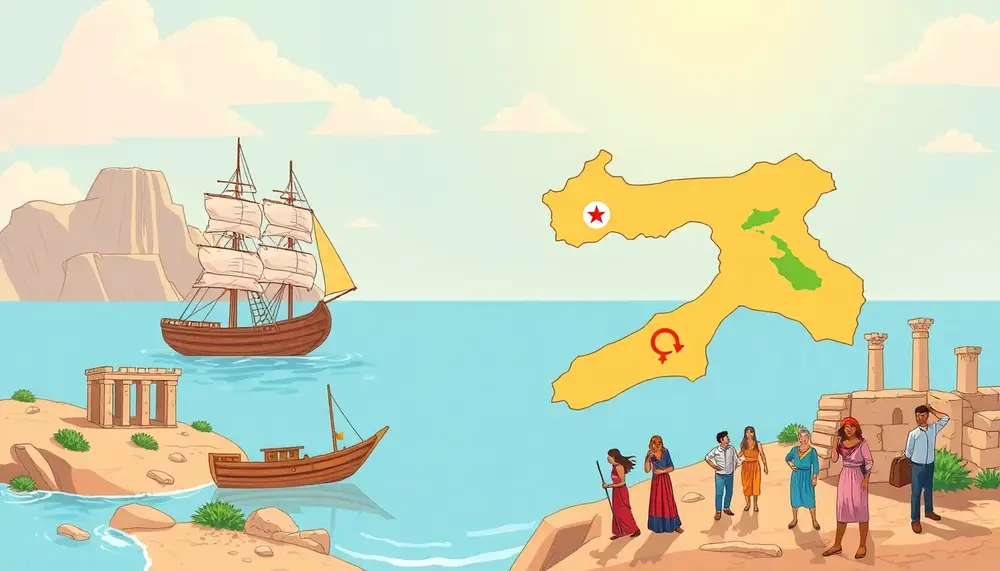
The historical trade routes between Cyprus and Gaza have played a crucial role in shaping the cultural and economic exchanges between these two regions. The strategic location of Cyprus in the Eastern Mediterranean made it a vital hub for trade, connecting the Middle East with Europe and North Africa.
In ancient times, merchants from various civilizations, including the Phoenicians, Greeks, and Romans, used these routes to transport goods such as olive oil, wine, textiles, and spices. Cyprus, known for its copper and other natural resources, became an essential stop for traders heading to Gaza and beyond.
One of the most significant trade routes was the maritime passage that linked the ports of Cyprus with those along the Gaza coastline. This connection facilitated not only the exchange of goods but also the sharing of ideas and cultural practices. The flow of traders and travelers contributed to the rich tapestry of life in both regions, fostering a sense of interconnectedness.
Throughout history, the trade routes adapted to changing political landscapes. During periods of conflict, such as the Crusades, these paths were often disrupted, but they eventually reestablished themselves as peace returned to the region. The resilience of these trade routes reflects the enduring relationship between Cyprus and Gaza.
In modern times, the legacy of these historical connections continues to influence trade and diplomatic relations. Efforts to revitalize these routes can be seen in initiatives aimed at improving transportation and logistics between the two regions. This not only promotes economic cooperation but also strengthens cultural ties that have persisted through centuries.
In summary, the historical trade routes between Cyprus and Gaza are more than just pathways for goods; they represent a long-standing relationship characterized by mutual influence and cooperation. Understanding this connection is essential for appreciating the broader historical context of the region and its ongoing developments.
Cultural Exchanges Throughout History
The cultural exchanges between Cyprus and Gaza have a long and rich history that reflects the interconnectedness of these regions. Over the centuries, various influences have shaped their cultures, contributing to a unique blend of traditions, languages, and artistic expressions.
During ancient times, the proximity of Cyprus to Gaza facilitated a vibrant exchange of ideas and customs. Merchants and travelers often moved between the two areas, bringing with them not only goods but also cultural practices. This interaction fostered a mutual appreciation for art, music, and cuisine.
One notable aspect of these exchanges is the influence of religious practices. Both regions have been home to diverse religious communities, including Christianity, Islam, and Judaism. As these communities interacted, they shared rituals, festivals, and architectural styles, enriching the cultural landscape. For instance, the influence of Byzantine architecture from Cyprus can be seen in some structures in Gaza, showcasing how cultural elements traveled across borders.
In addition to religious and artistic exchanges, the literary traditions of both regions have been interwoven. Poets and scholars from Cyprus and Gaza have drawn inspiration from one another, resulting in a shared literary heritage. This connection is evident in the works of writers who have explored themes of identity, belonging, and the human experience.
The modern era has seen continued cultural exchanges, albeit in different forms. Cultural festivals, art exhibitions, and academic collaborations have emerged, fostering dialogue and understanding between the two regions. These initiatives aim to celebrate their shared history while promoting peace and cooperation.
In summary, the cultural exchanges between Cyprus and Gaza have significantly influenced their respective identities. This rich tapestry of interactions highlights the importance of understanding and appreciating the cultural heritage that binds these regions together.
Pros and Cons of the Historical Connection Between Cyprus and Gaza
| Pros | Cons |
|---|---|
| Facilitated trade and economic exchanges between Cyprus and Gaza. | Colonial histories have created lingering tensions and grievances. |
| Encouraged cultural exchanges, enriching the cultural heritage of both regions. | Conflicts have disrupted relations and historical ties. |
| Historical alliances foster a sense of solidarity and shared identity. | Modern geopolitical dynamics can complicate cooperation. |
| Cyprus's role as a refuge for Palestinian leaders highlights mutual support. | Political events may lead to varying public opinion and political divides. |
Political Alliances and Conflicts
The political landscape surrounding Cyprus and Gaza is marked by a complex interplay of alliances and conflicts that have evolved over time. The geopolitical significance of both regions has led to shifting partnerships, often influenced by broader regional dynamics.
Historically, Cyprus has found itself in a delicate position due to its proximity to the Middle East and its ties to Europe. This geographical factor has made it a focal point for various political alliances. For instance, during the Cold War, Cyprus was courted by both Western and Eastern blocs, reflecting its strategic importance. In more recent years, its relationship with Israel has strengthened, particularly in economic and security cooperation. However, this has also created tension with other neighboring countries, particularly those sympathetic to the Palestinian cause.
Conflicts in the region, especially the Israeli-Palestinian struggle, have had a direct impact on Cyprus's foreign policy. The island nation has often advocated for peace and stability in the Eastern Mediterranean, emphasizing the need for a two-state solution. This stance aligns with various international resolutions but has sometimes put Cyprus at odds with more aggressive regional players.
Moreover, Cyprus's role in humanitarian efforts regarding Gaza has been underscored by its political alliances. Collaborations with international organizations and NGOs have aimed to provide aid and support for reconstruction efforts in Gaza. These initiatives reflect Cyprus's commitment to addressing humanitarian needs while navigating its political relationships.
Moving forward, Cyprus faces the challenge of balancing its alliances with its historical connections to the Palestinian people. As it navigates its role in the Board of Peace and engages with various stakeholders, the island's political decisions will be crucial in shaping its future relations with both Gaza and its regional partners.
Impact of Colonialism on Cyprus and Gaza Relations
The impact of colonialism on the relations between Cyprus and Gaza is significant and multifaceted, shaping both regions' historical trajectories and contemporary dynamics. The colonial past has left lasting legacies that influence political, social, and economic interactions to this day.
In Cyprus, British colonial rule from 1878 to 1960 introduced administrative changes and a new legal framework that altered the island's societal structures. This period saw the emergence of national identities and political movements that were partly a response to colonial governance. The struggle for independence was characterized by a desire to assert national identity and autonomy, which resonates with the contemporary issues facing Gaza.
Similarly, Gaza has experienced various forms of colonialism, particularly under Ottoman and British mandates. The British mandate, established after World War I, significantly impacted Gaza's political landscape, fostering divisions among communities and setting the stage for future conflicts. The effects of these colonial experiences have led to a shared understanding of the struggles against external control, fostering a sense of solidarity between the two regions.
Colonialism also influenced economic relations. For instance, both Cyprus and Gaza were integrated into global trade networks that benefited colonial powers at the expense of local economies. The disruption caused by colonial policies often left lasting economic challenges, which continue to affect trade and development efforts today.
The historical grievances rooted in colonialism have contributed to a complex narrative surrounding national identity in both Cyprus and Gaza. As they navigate their post-colonial realities, these regions often draw on their shared experiences to advocate for self-determination and justice in the international arena.
In conclusion, the impact of colonialism on the relations between Cyprus and Gaza is profound, influencing their historical narratives and ongoing struggles. Understanding this context is essential for analyzing current political dynamics and fostering future cooperation between the two regions.
Cyprus as a Refuge for Palestinian Leaders
Cyprus has historically served as a refuge for Palestinian leaders, providing a safe haven amidst the turbulent political landscape of the Middle East. This role has evolved over decades, particularly during times of conflict and unrest in Palestinian territories.
Following the 1948 Arab-Israeli War, many Palestinian leaders sought asylum in various countries, including Cyprus. The island’s strategic location made it an accessible point for those fleeing violence and persecution. Notably, figures such as Yasser Arafat utilized Cyprus as a base for diplomatic efforts and regional outreach during critical periods in the Palestinian struggle for statehood.
In addition to offering refuge, Cyprus has been a site for important meetings and negotiations aimed at fostering Palestinian unity and addressing the Israeli-Palestinian conflict. The island has hosted conferences that brought together various factions, facilitating dialogue that might not have been possible elsewhere due to political tensions. This has reinforced Cyprus’s image as a neutral ground for conflict resolution.
The relationship between Cyprus and Palestinian leaders is further strengthened by shared experiences of colonialism and struggle for self-determination. Both regions have faced external pressures that shaped their political narratives, fostering a sense of solidarity. This shared history has led to Cyprus advocating for Palestinian rights in international forums, reflecting its commitment to supporting those who seek justice and autonomy.
In recent years, the role of Cyprus as a refuge has continued, with the island providing humanitarian support and facilitating international aid efforts for Palestinians. This involvement underscores Cyprus's ongoing commitment to peace and stability in the region, as it navigates its diplomatic relationships while remaining a supportive ally to Palestinian aspirations.
In summary, Cyprus's role as a refuge for Palestinian leaders is marked by a deep historical connection and a commitment to fostering dialogue and support for Palestinian rights. This dynamic continues to evolve, reflecting the complexities of the Middle Eastern political landscape.
Modern Diplomatic Relations
The modern diplomatic relations between Cyprus and Gaza are characterized by a complex interplay of historical ties, political considerations, and humanitarian efforts. In recent years, Cyprus has positioned itself as a key player in advocating for Palestinian rights while also navigating its relationships with other regional powers.
One of the main components of Cyprus's diplomatic strategy is its commitment to peace and stability in the Eastern Mediterranean. This has led to increased collaboration with Palestinian authorities, focusing on humanitarian assistance and support for reconstruction efforts in Gaza. The Cypriot government has actively participated in international forums to address the needs of the Palestinian people, underscoring its role as a mediator and advocate.
In addition to humanitarian efforts, Cyprus has also engaged in diplomatic discussions aimed at fostering unity among Palestinian factions. By facilitating dialogues between different political groups, Cyprus has sought to strengthen Palestinian representation on the international stage, which is crucial for any future negotiations concerning the Israeli-Palestinian conflict.
Moreover, the island's geographical location and historical connections to the region allow Cyprus to serve as a logistical hub for international aid directed towards Gaza. This role enhances its diplomatic standing and showcases its commitment to contributing positively to the region's stability.
However, Cyprus's diplomatic relations with Gaza are not without challenges. Balancing its support for Palestinian rights with its ties to Israel and other nations requires careful navigation of regional politics. The Cypriot government must also consider the implications of its actions on its EU membership and relations with other international partners.
In conclusion, the modern diplomatic relations between Cyprus and Gaza are shaped by a commitment to humanitarian aid, the promotion of Palestinian unity, and a strategic approach to regional diplomacy. As Cyprus continues to engage in these efforts, its role as a mediator and supporter of Palestinian rights will likely evolve, reflecting the complexities of the geopolitical landscape in the Eastern Mediterranean.
Humanitarian Efforts and Aid Initiatives
Cyprus has actively engaged in humanitarian efforts and aid initiatives aimed at supporting the people of Gaza, particularly in the aftermath of conflict and ongoing crises. The island's strategic position in the Eastern Mediterranean allows it to play a vital role in facilitating aid and coordinating relief efforts.
One significant aspect of Cyprus's humanitarian initiatives is its collaboration with international organizations, such as the United Nations and various non-governmental organizations (NGOs). These partnerships have enabled Cyprus to mobilize resources effectively and ensure that aid reaches those in need. The Cypriot government has provided logistical support for transporting humanitarian supplies, medical aid, and food to Gaza, demonstrating its commitment to alleviating human suffering.
Additionally, Cyprus has hosted numerous conferences and workshops focused on the humanitarian situation in Gaza. These gatherings bring together stakeholders from different sectors, including government officials, humanitarian organizations, and civil society representatives. The goal is to share best practices, coordinate efforts, and discuss strategies for sustainable development in the region.
Moreover, the Cypriot government has advocated for increased international attention to the humanitarian needs of the Palestinian population. This advocacy includes raising awareness about the challenges faced by Gazans, particularly in terms of access to basic services, healthcare, and education. By doing so, Cyprus aims to mobilize further support from the international community.
In terms of specific aid initiatives, Cyprus has contributed to projects aimed at rebuilding infrastructure in Gaza, particularly in the areas of education and healthcare. These initiatives are crucial for helping the population recover and rebuild their lives following periods of conflict.
In conclusion, Cyprus's humanitarian efforts and aid initiatives reflect its commitment to supporting the people of Gaza. Through collaboration with international partners and a focus on sustainable development, Cyprus aims to contribute positively to the ongoing recovery and stability in the region.
The Role of Cyprus in the Gaza Reconstruction Efforts
Cyprus plays a crucial role in the Gaza reconstruction efforts, leveraging its geographic location and historical ties to facilitate support for the rebuilding of the region. As Gaza continues to recover from repeated conflicts, Cyprus has positioned itself as a significant partner in these endeavors.
One of the key contributions of Cyprus is its involvement in coordinating humanitarian aid. The island serves as a logistical hub for international organizations delivering essential supplies, medical assistance, and reconstruction materials to Gaza. This logistical capability is vital, as it helps streamline the process of getting aid to those in need quickly and efficiently.
Additionally, Cyprus has initiated various projects aimed at rebuilding infrastructure in Gaza. These efforts focus on critical sectors such as:
- Healthcare: Supporting the restoration of medical facilities and providing necessary medical supplies.
- Education: Assisting in the reconstruction of schools and educational programs to ensure that children have access to quality education.
- Housing: Contributing to the rebuilding of homes for families displaced by conflict.
Cyprus's government has also engaged in diplomatic efforts to attract international funding for Gaza's reconstruction. By advocating for increased investment from European partners and other nations, Cyprus aims to ensure that sufficient resources are available for long-term recovery and development initiatives.
Moreover, the island's commitment to fostering Palestinian unity plays a significant role in its reconstruction efforts. By promoting dialogue and collaboration among Palestinian factions, Cyprus seeks to create a cohesive approach to rebuilding, which is essential for effective implementation of reconstruction projects.
In conclusion, Cyprus's role in the Gaza reconstruction efforts is characterized by a multifaceted approach that includes logistical support, direct aid initiatives, and diplomatic advocacy. As the region continues to navigate its challenges, Cyprus remains dedicated to contributing to a sustainable and peaceful recovery for the people of Gaza.
Shared Historical Narratives and Memory
The shared historical narratives and memory between Cyprus and Gaza are deeply intertwined, reflecting a complex tapestry of experiences shaped by colonialism, conflict, and cultural exchanges. These narratives are crucial in understanding the identities and aspirations of both regions.
One of the significant aspects of these shared narratives is the legacy of colonial rule. Both Cyprus and Gaza endured various forms of colonial domination, leading to similar struggles for self-determination. This common history has fostered a sense of solidarity, influencing the way each region perceives its past and envisions its future. For instance, the experiences of displacement and resistance resonate strongly within the collective memory of both populations.
Additionally, cultural exchanges throughout history have contributed to the formation of shared identities. The movement of people, ideas, and traditions between Cyprus and Gaza has enriched the cultural fabric of both regions. This exchange is reflected in art, literature, and culinary practices, showcasing the interconnectedness of their histories.
The memory of past alliances and conflicts also plays a crucial role in shaping contemporary relations. Historical events, such as the Palestinian leadership's presence in Cyprus during critical periods, are remembered as acts of solidarity that continue to influence current diplomatic and humanitarian efforts. These memories serve as a foundation for ongoing cooperation in addressing shared challenges.
Furthermore, the narratives surrounding the ongoing struggles for peace and justice are pivotal in both regions. The awareness of historical injustices informs current political discourses and activism, driving both Cypriots and Palestinians to advocate for rights, recognition, and reconciliation. This shared commitment to justice and dignity highlights the importance of collaborative efforts in addressing the legacies of the past.
In conclusion, the shared historical narratives and memory between Cyprus and Gaza are essential in understanding their relationship. By recognizing these interconnected histories, both regions can foster a deeper sense of empathy and collaboration, ultimately contributing to a more peaceful and just future.
Future Prospects for Cyprus-Gaza Relations
The future prospects for Cyprus-Gaza relations are shaped by a variety of factors, including geopolitical dynamics, economic considerations, and the evolving nature of regional conflicts. As both regions navigate their paths forward, several key elements will influence their relationship.
One significant aspect is the potential for enhanced diplomatic engagement. Cyprus may seek to strengthen its role as a mediator in the Israeli-Palestinian conflict, leveraging its historical connections to advocate for Palestinian rights while fostering dialogue with Israel. This balanced approach could position Cyprus as a vital player in future peace initiatives.
Economic collaboration also presents opportunities for both Cyprus and Gaza. As Gaza continues to rebuild, Cyprus can play a crucial role in facilitating trade and investment. Initiatives aimed at improving infrastructure and logistics will be essential for creating a stable economic environment in Gaza. Cyprus's experience as a logistical hub could be pivotal in supporting these efforts.
Furthermore, the ongoing humanitarian needs in Gaza will likely drive Cyprus to remain engaged in aid initiatives. As international organizations focus on reconstruction, Cyprus's contributions in terms of resources and expertise will be vital. This engagement not only addresses immediate needs but also strengthens the ties between the two regions.
Moreover, public sentiment in Cyprus regarding the Palestinian cause can influence future relations. A strong public and political will to support Palestinian rights may lead to increased advocacy and collaboration at various levels, enhancing the overall partnership between Cyprus and Gaza.
Lastly, the role of international actors, including the European Union, will be crucial in shaping the future of Cyprus-Gaza relations. As the EU continues to address the humanitarian situation in Gaza, Cyprus can align its efforts with broader European policies, ensuring that its initiatives are supported and amplified on a larger scale.
In conclusion, the future prospects for Cyprus-Gaza relations hinge on diplomatic engagement, economic collaboration, humanitarian support, public sentiment, and international dynamics. As both regions work towards stability and development, their shared history and mutual interests will play a significant role in shaping their relationship moving forward.
FAQ About the Historical Connection Between Cyprus and Gaza
What were the main historical trade routes between Cyprus and Gaza?
The main historical trade routes included maritime passages linking the ports of Cyprus with those along the Gaza coastline, facilitating the exchange of goods such as olive oil, wine, and textiles.
How did cultural exchanges shape the relationship between Cyprus and Gaza?
Cultural exchanges flourished due to trade and movement of people, influencing art, music, and cuisine, thus enriching the cultural heritage of both regions.
What impact did colonialism have on Cyprus and Gaza relations?
Colonialism created lasting legacies that shaped political identities and struggles for self-determination in both regions, fostering a sense of solidarity between their histories.
What role did Cyprus play for Palestinian leaders historically?
Cyprus served as a refuge for Palestinian leaders, providing a safe haven for diplomatic efforts and fostering unity among Palestinian factions during critical periods.
How do modern diplomatic relations between Cyprus and Gaza reflect historical ties?
Modern diplomatic relations involve humanitarian aid, support for Palestinian rights, and a commitment to fostering dialogue, reflecting the historical connections and shared experiences of both regions.